
Astaxanthin and Natural Protection
Zooca® Calanus® Oil and capsules retain their natural stability over time, especially when stored in an inert atmosphere or at low temperature. The astaxanthin in the product is as it occurs in nature, is digested slowly and set free further down in the distal small intestine, where the fatty acids are being absorbed together with the partnering astaxanthin.
Protection is built into the biology
Marine lipids are sensitive by nature. Their structural complexity gives them biological relevance, but it also makes them vulnerable to oxidation. In many marine oil products, stability is managed during processing. Additional antioxidants and preservatives are added, or fractions are modified to improve stability after extraction. In Zooca® Calanus® Oil, astaxanthin originates from the raw material itself and remains part of the final ingredient as extracted.
Zooca® Calanus® Oil therefore follows a different principle. It begins with a biological system that already contains its own innate protection. Astaxanthin found in Zooca® Calanus® Oil is different in origin and composition.
A marine organism adapted to stability
Calanus finmarchicus stores energy as wax esters. These wax esters contain fatty acids bound to long-chain fatty alcohols, referred to as marine policosanols. Alongside these lipids, the organism naturally contains Astaxanthin.
This combination is not coincidental.
This composition has developed in cold North Atlantic waters, where lipids must remain stable over time. Stability is therefore not incidental. It is part of the biology.
When Zooca® Calanus® Oil is gently extracted, this natural composition is preserved. Nothing added. Nothing removed.
Natural high levels of Astaxanthin
Zooca® Calanus® Oil contains approximately 1.4 mg of naturally occurring Astaxanthin per gram of oil. This is a natural high level, significantly more than krill oil and other marine oils.
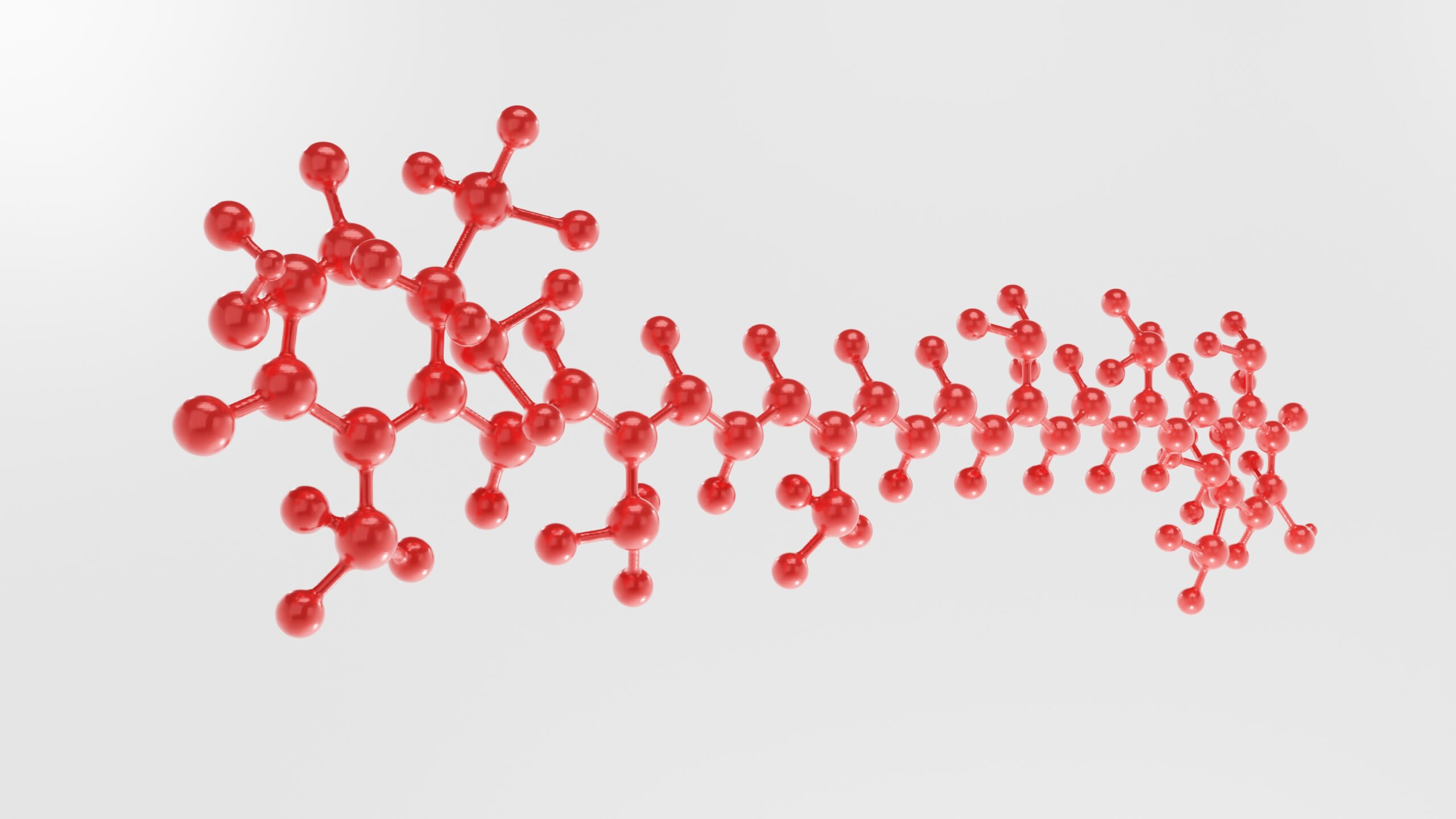
Astaxanthin is a marine carotenoid with documented antioxidant properties and health benefits. In the living organism, it interacts with lipids and contributes to limiting oxidative stress. In Zooca® Calanus® Oil, Astaxanthin is not added during processing, rather it originates from the raw material itself and remains part of the final ingredient.
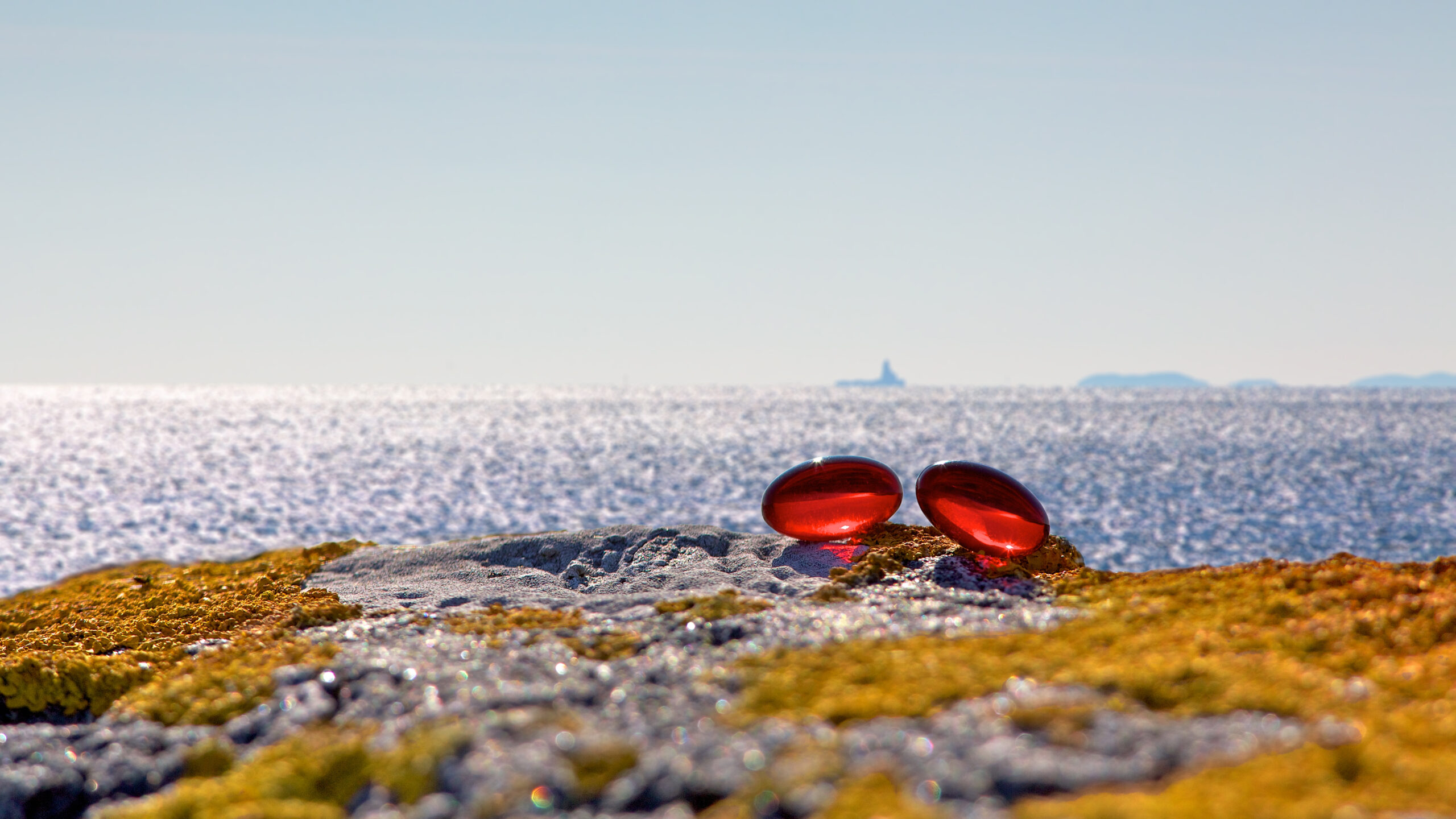
The characteristic deep red color of the oil reflects this natural presence.
The astaxanthin in Zooca® Calanus® Oil is present in its natural, esterified form, as it occurs in the organism. Unlike synthetic or free-form astaxanthin used in many commercial products, the astaxanthin in Zooca® Oil is bound within the lipid matrix, contributing to both its stability and bioavailability. This natural form is more stable and better integrated into the oil’s structure, supporting its oxidative resilience
Astaxanthin as part of the lipid system
In Zooca® Calanus® Oil, Astaxanthin is not present as a separate or added antioxidant. It coexists with wax esters, fatty acids, and marine policosanols within the same lipid matrix.
This close association allows Astaxanthin to act in synergy with wax esters and marine policosanols, stabilizing oxidation-prone marine lipids from within the native lipid matrix.
Protection within a broad marine lipid
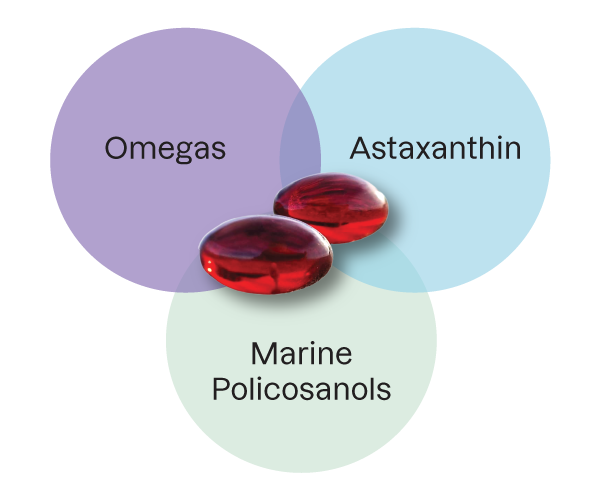
The stability of Zooca® Calanus® Oil is not the result of a single compound, but of a naturally balanced lipid system. Astaxanthin plays a key role in this system, alongside wax esters, marine policosanols, and a broad spectrum of fatty acids. Oxidative stability in Zooca® Calanus® Oil reflects the combined presence of several naturally occurring lipid components:
- Wax esters as part of the native structure
- A broad and naturally occurring fatty acid profile – with over 40 unique fatty acids present
- Marine policosanols
- High levels of naturally occurring Astaxanthin
Because the oil is minimally processed and not molecularly concentrated, this balance remains intact. Protection is therefore retained from within the organism, rather than reconstructed during manufacturing. This ensures that the oil remains as it was designed by nature.
Integrity over reconstruction
Oxidation influences sensory quality, shelf life, and chemical integrity.
The naturally occurring Astaxanthin contributes to limiting oxidative reactions within the oil. Together with the preserved wax ester structure and associated lipid components, it supports ingredient robustness.
Stability is not engineered. It is preserved – by nature’s design
Astaxanthin is therefore not a standalone feature, but one of several components that together define the integrity of Zooca® Calanus® Oil as a marine lipid system.
Designed by nature.
Nothing added. Nothing removed.
Protection is built into the biology.
References
Pedersen, A. M., Vang, B., & Olsen, R. L. (2014).
Oil from Calanus finmarchicus—Composition and possible use: A review.
Journal of Aquatic Food Product Technology, 23(6), 633–646.
https://doi.org/10.1080/10498850.2012.741662
Cook, C. M., Larsen, T. S., Derrig, L. D., Kelly, K. M., & Tande, K. S. (2016).
Wax ester–rich oil from the marine crustacean Calanus finmarchicus is a bioavailable source of EPA and DHA for human consumption.
Lipids, 51, 1137–1144.
https://doi.org/10.1007/s11745-016-4189-y
Higuera-Ciapara, I., Félix-Valenzuela, L., & Goycoolea, F. M. (2006).
Astaxanthin: A review of its chemistry and applications.
Critical Reviews in Food Science and Nutrition, 46(2), 185–196.
https://doi.org/10.1080/10408690590957188
Yuan, J. P., Peng, J., Yin, K., & Wang, J. H. (2011).
Potential health-promoting effects of astaxanthin: A high-value carotenoid mostly from microalgae.
Molecular Nutrition & Food Research, 55(1), 150–165.
https://doi.org/10.1002/mnfr.201000414