New study highlights Zooca Hydrolysate as a functional ingredient in shrimp feed
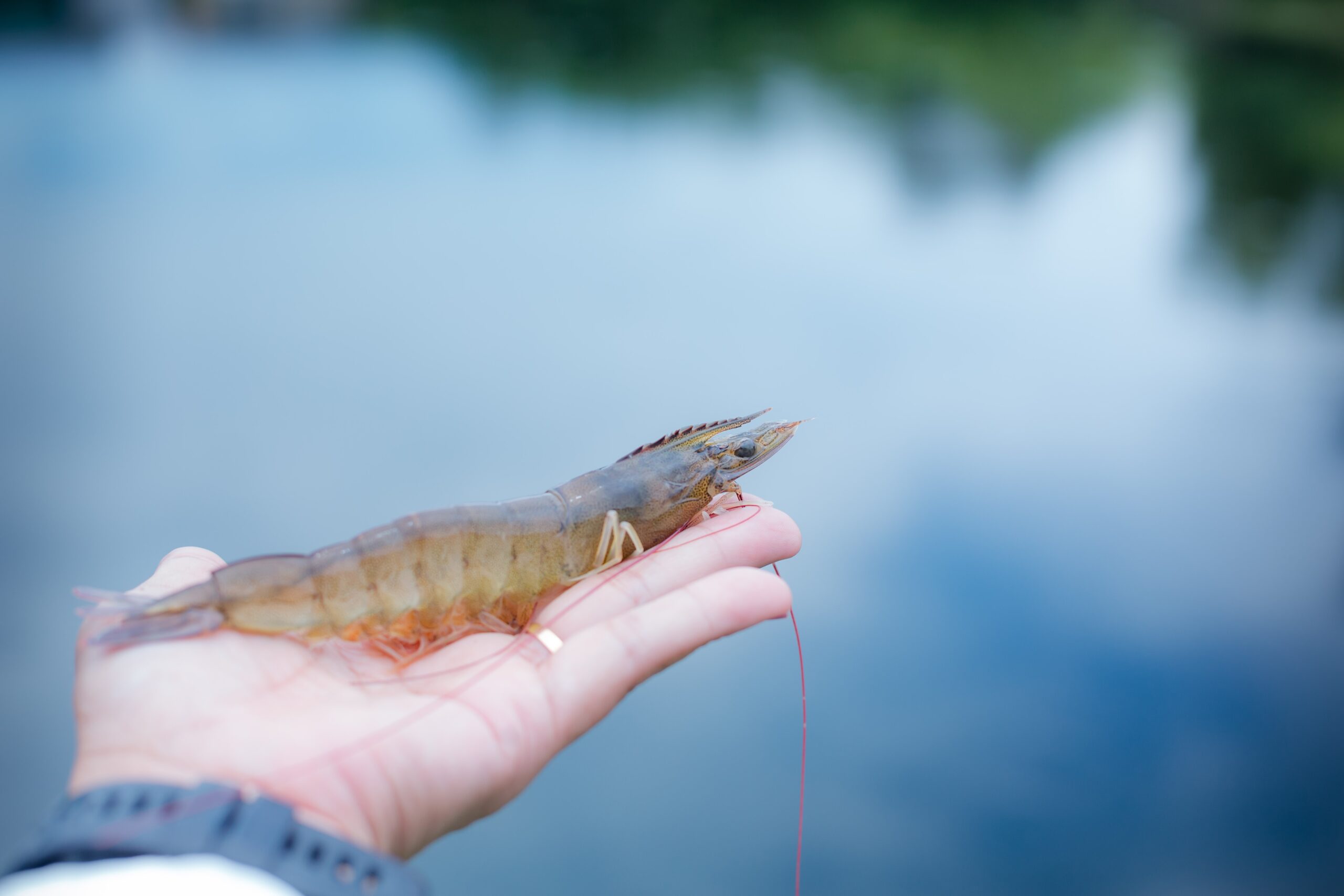
A new peer-reviewed study, published in Frontiers in Physiology, documents the effects of Zooca Hydrolysate in shrimp feed for whiteleg shrimp (Litopenaeus vannamei). The research shows that this protein extract from Calanus finmarchicus can support efficient feed utilization, improved nutrient retention, and resilience during acute salinity stress.
What the study showed
In the study, whiteleg shrimp were fed experimental diets with 50% reduced fishmeal over a 62-day period. Zooca Hydrolysate was evaluated for its impact on growth, feed utilization, nutrient retention, and physiological response to environmental stress.
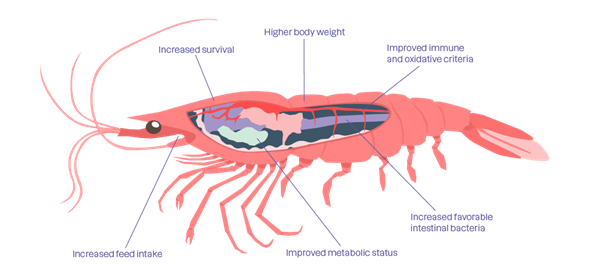
Shrimp fed Zooca Hydrolysate maintained growth while showing improved feed efficiency and nutrient retention. The study also found enhanced protein and energy retention, indicating effective utilization of the diet.
Following the feeding period, the shrimp were exposed to an acute hyposalinity challenge. Shrimp fed Zooca Hydrolysate showed high survival in this stress test, together with elevated immune activity, reduced lipid peroxidation, and increased antioxidant enzyme responses.
What this means in practice
The results point to Zooca Hydrolysate as a marine ingredient with benefits that extend beyond basic nutrition. In this study, its peptide-rich composition was associated with efficient feed use and stronger biological responses under stress.
For producers, that is relevant because feed performance is not only about growth under stable conditions. It is also about how efficiently nutrients are utilized and how animals respond when exposed to common production stressors.
- Improved feed efficiency
- Enhanced protein and energy retention
- High survival during acute salinity stress
Together, these findings support the role of Zooca Hydrolysate as a documented functional ingredient in shrimp feed formulations.
Built from a marine resource with purpose
Calanus finmarchicus is a North Atlantic zooplankton species and a natural part of marine food webs. By using this raw material as the basis for Zooca Hydrolysate, Zooca brings a different marine input into aquaculture feed development.
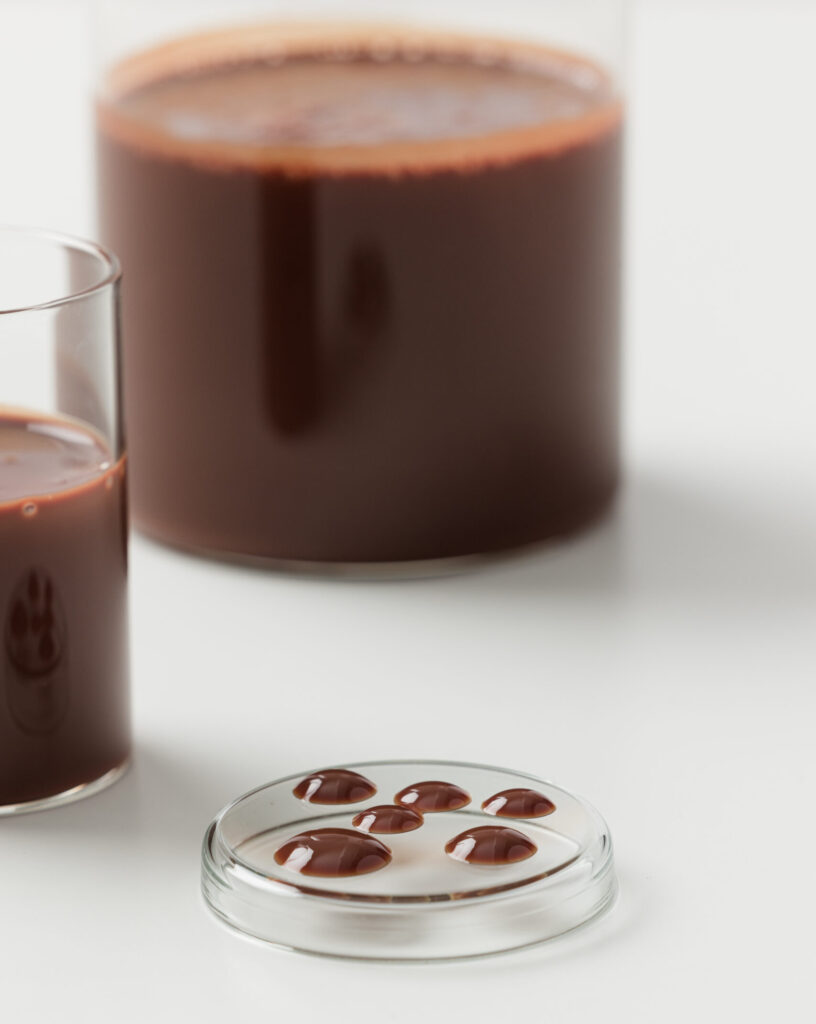
Zooca Hydrolysate is produced from this marine raw material through hydrolysis, resulting in a peptide-rich ingredient developed for aquaculture applications.
This publication adds new peer-reviewed documentation to Zooca’s aquaculture portfolio, showing how Zooca Hydrolysate can support efficient nutrient use and resilience in whiteleg shrimp.
About the publication
The functional effects of Calanus finmarchicus hydrolysate as a novel feed ingredient for whiteleg shrimp (Litopenaeus vannamei) was published in Frontiers in Physiology on 1 June 2026. The study concludes that Calanus finmarchicus hydrolysate can replace 50% of fishmeal in whiteleg shrimp diets without compromising growth, while improving feed efficiency, nutrient retention, and resilience to salinity stress.